Quick Answer
Barcelona’s craft beer scene is centered in the Eixample and Gràcia districts, where modern brewpubs have moved far beyond mass-market lagers. For the most authentic experience, prioritize Garage Beer Co. for hazy IPAs and Edge Brewing for classic, precision-brewed staples.
- Start your tour at Garage Beer Co. in Eixample for their rotating experimental taps.
- Visit Poble Nou to see the production facilities at Edge Brewing.
- Avoid the tourist-trap ‘cervecerías’ on La Rambla and stick to specialized craft bars.
Editor’s Note — Priya Nair, Features Editor:
I firmly believe that if you travel to a city known for its wine and cava and only drink the local lager, you’re missing half the story. In my years covering global beer culture, I’ve seen Barcelona transform from a macro-lager stronghold into one of Europe’s most exciting experimental hubs. What most people miss is how these brewers integrate Catalan ingredients into styles like Gose and wild ales. Daniel Frost brings something special to this guide because he understands the technical rigour behind these hop-forward IPAs better than anyone I know. Go find a stool at a local taproom and order something you can’t pronounce.
The scent of toasted malt and piney resin doesn’t belong in a dusty cellar; here, it hangs heavy in the humid air of a Poble Nou industrial unit. You’re standing in the heart of Barcelona’s craft revolution, surrounded by stainless steel tanks that hum with the quiet vibration of fermentation. Outside, the city is a blur of modernist architecture and late-night tapas bars, but inside this taproom, the focus is singular. You aren’t here for the ubiquitous Estrella Damm; you’re here for the liquid proof that Spain is undergoing a serious brewing renaissance.
Barcelona is no longer just a destination for cava drinkers. It has become a legitimate mecca for anyone who takes their hops seriously, and if you aren’t seeking out the local independent brewers, you’re doing yourself a disservice. The city’s transition from macro-lagers to micro-masterpieces wasn’t an accident. It was the result of a decade of aggressive experimentation, inspired by the American West Coast movement but filtered through a distinctly Catalan lens. You need to treat this city like a proper beer trail, moving intentionally between the industrial outposts and the neighborhood-defining brewpubs.
The Evolution of the Catalan Pint
The BJCP guidelines define a wide spectrum of beer styles, and the local brewers in Barcelona have spent the last ten years testing every one of them. In the early 2010s, the scene was sparse. Today, it is dense with ambition. According to the Brewers Association’s global market observations, the shift toward independent craft beer in Southern Europe is being driven by younger drinkers who demand transparency and flavor complexity. You can taste this shift in every glass of local pale ale that swaps out generic bitterness for bright, citrus-forward aromatics.
Navigating the Neighborhoods
Don’t try to tackle the city’s beer scene in a single night. Focus your energy. Gràcia is your best bet for a bohemian, walkable experience. The neighborhood feels like a village within the city, where you can hop between tiny bars that prioritize local kegs. If you prefer a more refined, architectural backdrop, Eixample is where the heavy hitters reside. The bars here often pair high-concept beer lists with elevated gastropub menus, proving that a well-crafted IPA deserves a seat at the table alongside fine dining.
The Heavyweights You Must Visit
If you only have time for two stops, make them count. Edge Brewing in Poble Nou remains the gold standard for consistency. Their ‘Hoptimus’ IPA is a masterclass in balance, offering a bracing bitterness that never overpowers the underlying malt character. It’s an American-style IPA brewed with European precision, and it reminds you why the style became a global phenomenon in the first place.
Then, head to Garage Beer Co. on Carrer de les Sitges. This is where the scene feels most alive. Their taproom is perpetually packed with locals, and their experimentation with hazy, juice-forward IPAs is unmatched in the region. When you sit at the bar, ask what’s fresh on the experimental lines. They aren’t afraid to push boundaries with adjuncts or fermentation techniques, and you’ll often find a beer that is miles ahead of what’s being produced by larger regional breweries.
Brewing for the Moment
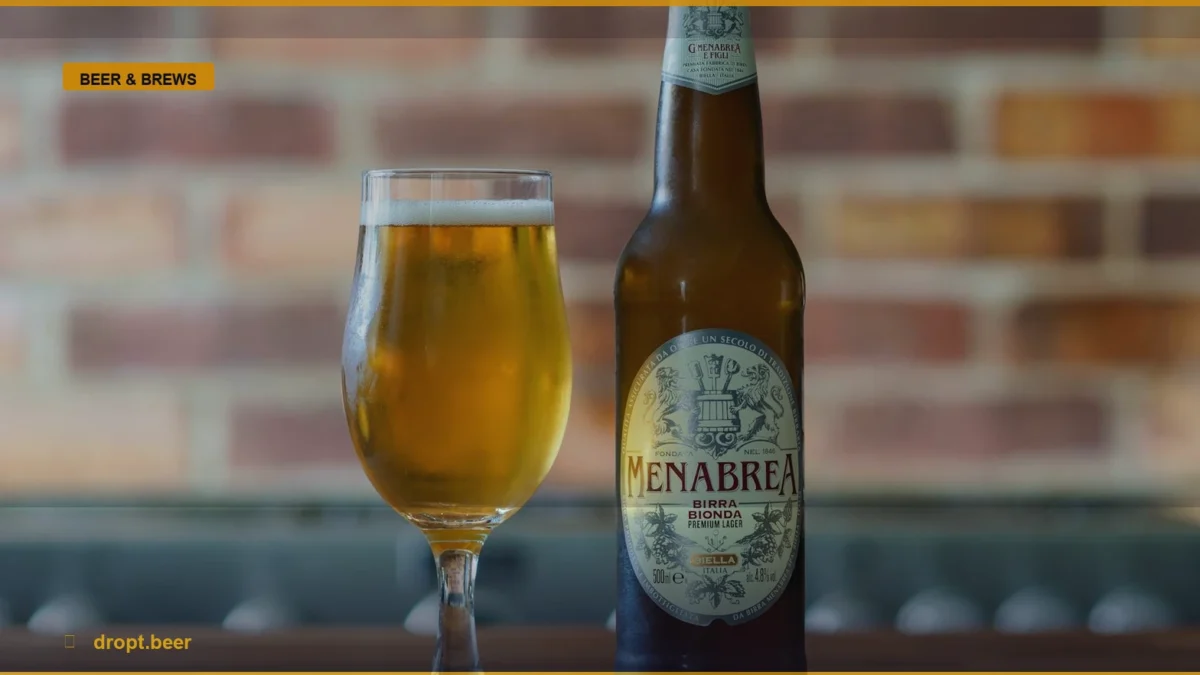
The best beer in Barcelona isn’t found in a bottle shop; it’s found in the glass, poured fresh from a tap that’s been cleaned properly. When you’re ordering, take a second to look at the glassware. If the bar is serving a delicate pilsner in a heavy mug, they’re missing the point. A proper craft bar will respect the liquid enough to serve it in the right vessel. If you see a bar that is pouring everything into a generic shaker pint, walk away. You’re looking for places that care about the serving temperature and the carbonation level, because that’s the final step in the brewer’s craft.
As you move through these bars, keep your palate sharp. Try the local interpretations of historical European styles before you dive into the triple-hopped monsters. You’ll find that the best brewers in Catalonia are those who respect tradition while actively looking for ways to break it. If you want to stay updated on which breweries are hitting their stride this season, keep an eye on our features at dropt.beer. There is always a new batch fermenting, and the next great glass is usually just a short walk away.
Your Next Move
Map your evening around a single neighborhood to avoid transit time and maximize your time in the taproom.
- [Immediate — do today]: Check the Google Maps location for Garage Beer Co. in Eixample and pin it for your first evening in the city.
- [This week]: Visit a local bottle shop and ask for a ‘Catalan craft’ recommendation to calibrate your palate before you travel.
- [Ongoing habit]: Whenever you visit a new city, research one independent brewery and make it your first stop—don’t wait for a recommendation from a concierge.
Frequently Asked Questions
Is it safe to drink craft beer in Barcelona?
Yes, absolutely. Barcelona has a highly regulated and professional brewing community. The craft beer scene there is modern, clean, and adheres to high international standards of hygiene and quality control.
Do I need to speak Catalan to order beer?
No, you don’t. Most staff in craft beer bars speak English, and the beer menus are usually written in both Catalan and English. A simple ‘una cervesa, si us plau’ goes a long way, but you won’t struggle to communicate.
Are craft beers in Barcelona expensive?
Craft beer is priced similarly to other major European cities. You should expect to pay between €5 and €8 for a pint or a high-quality glass of craft beer. It is more expensive than the mass-produced lagers, but the quality difference is significant.
What is the best time of year to visit?
Spring and autumn are ideal. The temperatures are mild, which makes walking between the different beer neighborhoods much more enjoyable. Avoid the peak of summer if you want to dodge the heaviest tourist crowds.